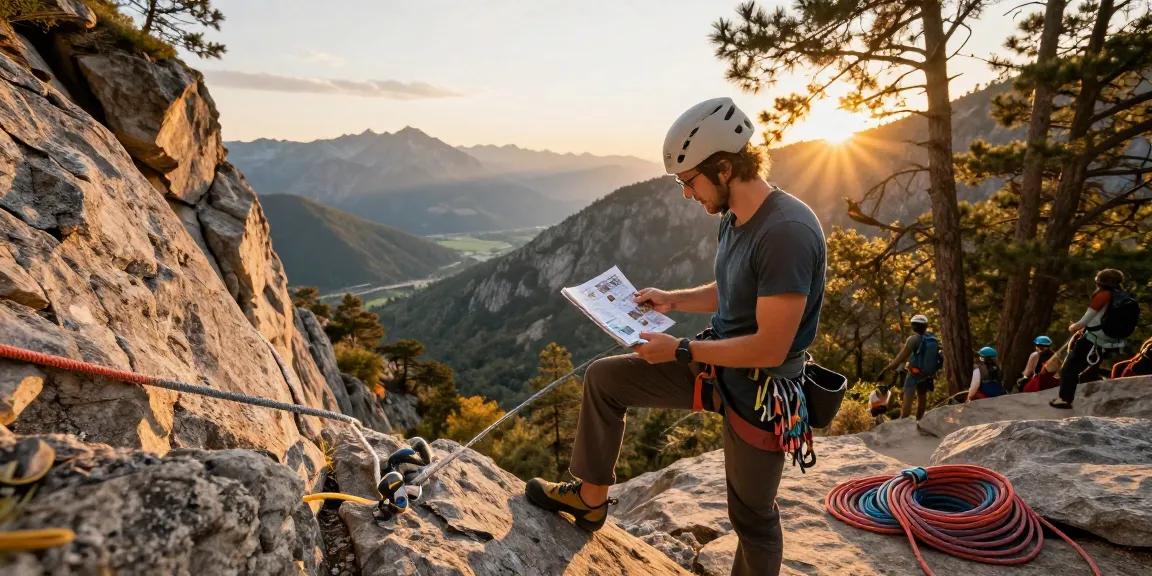
Understanding the Essentials of Adventure Sports Preparation
Adventure sports demand not only passion and enthusiasm but also meticulous preparation. Whether you're a seasoned climber or a novice rafter, effective preparation plays a crucial role in ensuring safety and enhancing the overall experience. From understanding the physical and mental challenges to selecting the right gear, the nuances of adventure sports preparation can make all the difference between a rewarding experience and a regrettable one. With innovations and trends shaping the future of adventure sports, it's essential to stay informed. For example, when exploring options, DRAGON222 provides comprehensive insights that can guide your decisions and improve your readiness.
What is Adventure Sports Preparation?
Adventure sports preparation encompasses a wide range of activities aimed at ensuring participants are ready for the physical, mental, and logistical challenges they may face during their adventures. Unlike traditional sports, adventure sports often involve unpredictable elements such as rapidly changing weather conditions, difficult terrains, and potential safety hazards. Effective preparation includes not only skill training but also planning for emergencies and assessing environmental factors. It emphasizes a holistic approach, addressing aspects such as fitness, gear, and psychological readiness.
Key Components of Effective Preparation
- Physical Fitness: Engaging in routine physical training tailored to the demands of the specific adventure sport.
- Technical Skills: Mastery of the essential skills required for the sport, such as climbing techniques, navigation, and rescue operations.
- Gear Familiarization: Understanding the equipment and gear you will be using, including their maintenance and optimal usage.
- Risk Assessment: Continuously evaluating potential risks associated with the sport and developing contingency plans.
- Mental Resilience: Building mental toughness to cope with fears, stress, and decision-making under pressure.
Common Misconceptions in Adventure Sports
One prevalent misconception is that adventure sports are only for the physically elite. In reality, these activities can be enjoyed at various levels of intensity, making them accessible to a broader audience. Another myth is that preparation is only about physical conditioning; however, mental preparedness plays an equally vital role. Lastly, many enthusiasts believe that once they acquire gear, they're ready to go. The truth is, understanding how to use and care for that gear is crucial for safety and performance.
Gear Selection for Various Activities
Choosing the right gear is foundational to adventure sports preparation. The right equipment not only enhances performance but also minimizes risks. From climbing ropes to kayaking paddles, each piece of gear serves a specific purpose that can affect your adventure.
Choosing the Right Climbing Equipment
When selecting climbing gear, consider factors such as the type of climbing you'll be doing (sport, trad, bouldering), the environment, and your experience level. Essential items include a harness, helmet, climbing shoes, carabiners, and belay devices. It's also important to stay updated on innovations in climbing gear, such as lightweight materials and advanced safety features that can significantly enhance your climbing experience.
Important Clothing Considerations for Extreme Weather
Proper clothing is essential for maintaining comfort and safety in extreme weather conditions. Layering is key: start with moisture-wicking base layers, add insulating mid-layers, and finish with waterproof, breathable outer layers. Don’t forget about accessories like gloves, hats, and gaiters, which can make a significant difference in your performance and well-being during an adventure.
Essential Safety Gear and Accessories
Safety should always be a priority in adventure sports. Carrying a first aid kit, GPS device, headlamp, and a whistle can ensure you're prepared for emergencies. Additionally, consider investing in personal locator beacons and satellite communication devices for remote areas.
Planning Your Adventure: Routes and Logistics
Thorough planning is crucial to the success of any adventure. Understanding the terrain, weather patterns, and logistical needs can help you avoid unexpected challenges. This section will delve into how to set yourself up for a successful adventure.
How to Plan an Effective Climbing Route
Selecting the right climbing route involves researching the area, understanding the rock quality, and evaluating the difficulty level. Use guidebooks, online resources, and local climbing forums to gather information. It's also wise to have backup routes in case of unforeseen circumstances.
Best Practices for Assessing Weather Conditions
Weather can change rapidly, especially in mountainous regions. Utilize apps and websites that provide weather forecasts for climbers and adventurers. Understanding how to interpret weather patterns can significantly impact your planning and overall safety.
Logistical Considerations for Group Climbs
When organizing group climbs, consider group dynamics, skill levels, and communication methods. Utilize group leaders for decision-making and ensure everyone has a clear understanding of the goals and safety protocols before embarking on the adventure.
Building Physical and Mental Readiness
Physical conditioning and mental preparedness are critical components of successful adventure sports participation. The ability to face physical challenges and overcome psychological barriers can significantly enhance the experience.
Strength Training and Conditioning for Climbers
Incorporate exercises focused on building strength, endurance, and flexibility specific to climbing, such as pull-ups, core strengthening exercises, and leg workouts. A well-rounded fitness routine helps climbers endure the challenges of their sport.
Mental Strategies for Overcoming Fear and Anxiety
Adventure sports can invoke fear and anxiety, particularly during high-stakes situations. Techniques such as visualization, mindfulness, and controlled breathing exercises can help athletes maintain focus and manage anxiety effectively.
Importance of Team Dynamics in Adventure Sports
Effective teamwork can enhance safety and enjoyment during outdoor adventures. Encourage open communication, build trust among team members, and establish clear roles and responsibilities to promote a cooperative atmosphere.
Future Trends in Adventure Sports for 2026 and Beyond
The adventure sports landscape is continuously evolving, driven by technological advancements and changing consumer preferences. Staying informed about these trends can give adventurers a competitive edge.
Technological Innovations in Climbing Gear
Expect to see gear that integrates smart technology, such as wearable devices that can monitor vital signs and provide real-time feedback to enhance safety and performance. Innovations in materials science are also leading to lighter and more durable equipment.
Emerging Destinations for Adventure Sports
With the globalization of adventure sports, new destinations are becoming popular. Regions that were once considered off the beaten path are now being developed for adventure tourism, offering unique landscapes and challenges.
Sustainability in Adventure Sports Practices
As awareness about environmental sustainability grows, adventure sports enthusiasts are encouraged to adopt eco-friendly practices. This includes utilizing leave-no-trace principles and supporting local conservation efforts to preserve natural landscapes.
What are the health benefits of adventure sports?
Participating in adventure sports can bring numerous health benefits, including enhanced cardiovascular fitness, improved strength, and increased mental resilience. Furthermore, these activities promote social interaction, reduce stress, and foster a sense of achievement.
How to choose the right adventure sports for beginners?
Beginners should consider starting with activities that match their fitness levels and interests. Options like hiking, kayaking, or indoor climbing provide a gentle introduction to adventure sports without overwhelming newcomers.
What are the best locations for rock climbing?
Some of the best rock climbing destinations include Yosemite National Park in California, the Dolomites in Italy, and the sandstone cliffs of Red Rock Canyon in Nevada. Each location offers unique challenges and breathtaking scenery that attracts climbers from around the world.
How can technology enhance adventure sports experiences?
Technology can enhance adventure sports through GPS navigation apps, climbing route finders, and fitness trackers that monitor performance. Additionally, virtual reality (VR) is emerging as a tool for training and simulating adventure experiences in a safe environment.
What safety measures should every climber take?
Every climber should undergo proper training, understand equipment usage, and adhere to safety guidelines. Checking gear before each climb, climbing with a partner, and keeping communication channels open are essential safety measures to ensure a secure climbing experience.